


Oxidative Stress & Chronic Inflammation: The Alkaline Herbalist's View
Maybe it's the sock marks at the end of the day. Knees that feel stiff when you get out of the car. Waking up tired even after a full night's sleep. Or the blood pressure cuff on your kitchen counter that makes your chest tight every time it beeps.
A lot of our customers ask us the same question: “Could these things be connected?”
From an alkaline herbalist's point of view, two everyday processes sit underneath a lot of how we feel: oxidative stress and chronic, low-grade inflammation. Here's what they are in plain words, what makes the load heavier, and the food and herb habits herbalists lean on.
Oxidative stress, in plain words
Your body makes unstable molecules called free radicals every day, just from breathing, moving and digesting food. In small amounts that's normal. Your body keeps them in check with antioxidants, some it makes and some it gets from plants.
Oxidative stress is what happens when the free radicals start to outnumber the antioxidants. Think of it like rust building up faster than you can wipe it off.
Chronic inflammation, in plain words
Inflammation is your body's repair crew. When you cut your finger, it rushes in, does its job and leaves. That's healthy.
Chronic, low-grade inflammation is different. It's when the repair crew never fully clocks out. It hums along in the background, and many people describe living with it as feeling heavy, puffy, stiff and tired without a clear reason.
The two feed each other. Oxidative stress can keep the inflammation signal turned on, and ongoing inflammation creates more oxidative stress.
What makes the load heavier
Mainstream research and alkaline herbalists agree on many of the same everyday drivers:
- Ultra-processed food: fast food, fried food, packaged snacks, sugary drinks and food cooked in cheap seed oils.
- A diet low in plants: fewer vegetables, fruits and fiber means fewer antioxidants coming in.
- Ongoing stress and poor sleep: both keep the body in “alert” mode.
- Not enough water or movement: herbalists say the body's filters (liver, kidneys, lymph and gut) need both to keep things moving.
- Smoking and heavy drinking.
Our founder A.J. lived this. Years on the road for corporate work meant fast food and ultra-processed meals almost every day. At 30, in February 2014, he had a stroke and spent two weeks in the ICU. It wasn't the only factor, but it made him look hard at food, habits and herbs. That search became Vegan LifeMoss. Read his story.
The alkaline herbalist approach
The alkaline way, shaped by teachers like Dr. Sebi, Aqiyl Aniys, Dr. Robert Morse and Dr. Llaila Afrika, comes down to a few simple ideas. These are traditions and lifestyle principles, not medical treatment:
- Eat mostly alkaline plant foods. Fill your plate with whole, plant-based foods that are naturally rich in antioxidants and fiber.
- Cut back on acidic foods. Herbalists in this tradition say meat, dairy and processed foods add to the body's burden and make herbs work less well.
- Drink plenty of spring water. Many alkaline herbalists recommend working up toward a gallon a day.
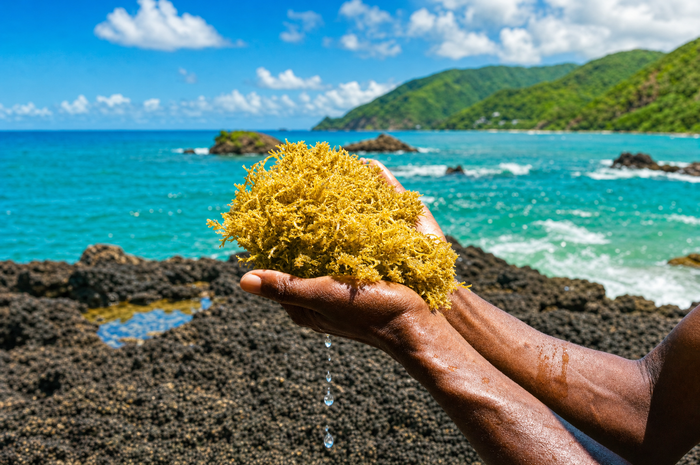
- Support the body's filters with herbs. Use whole roots, berries and sea vegetables that have been used for generations.
Foods alkaline herbalists reach for
| Group | Examples |
|---|---|
| Leafy greens | Kale, watercress, dandelion greens, arugula |
| Fruits | Key limes, berries, mangoes, avocado |
| Grains and legumes | Wild rice, quinoa, chickpeas |
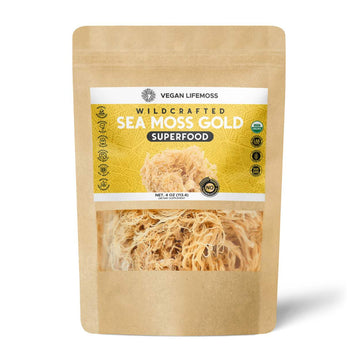
| Sea vegetables | Sea moss, bladderwrack |
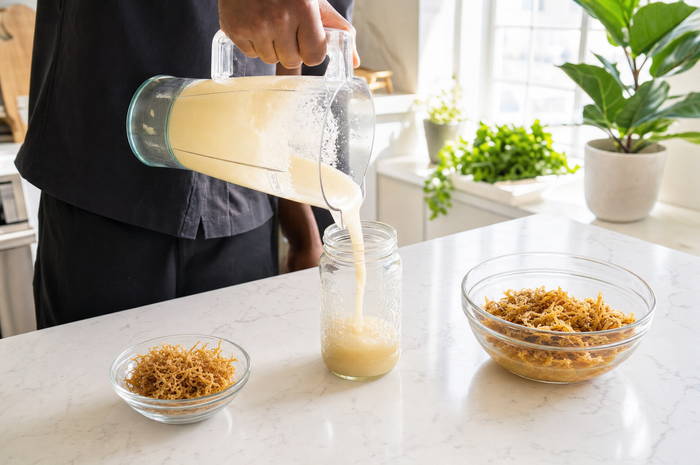
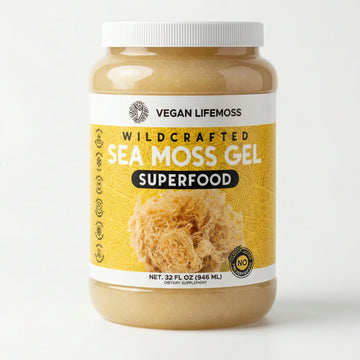
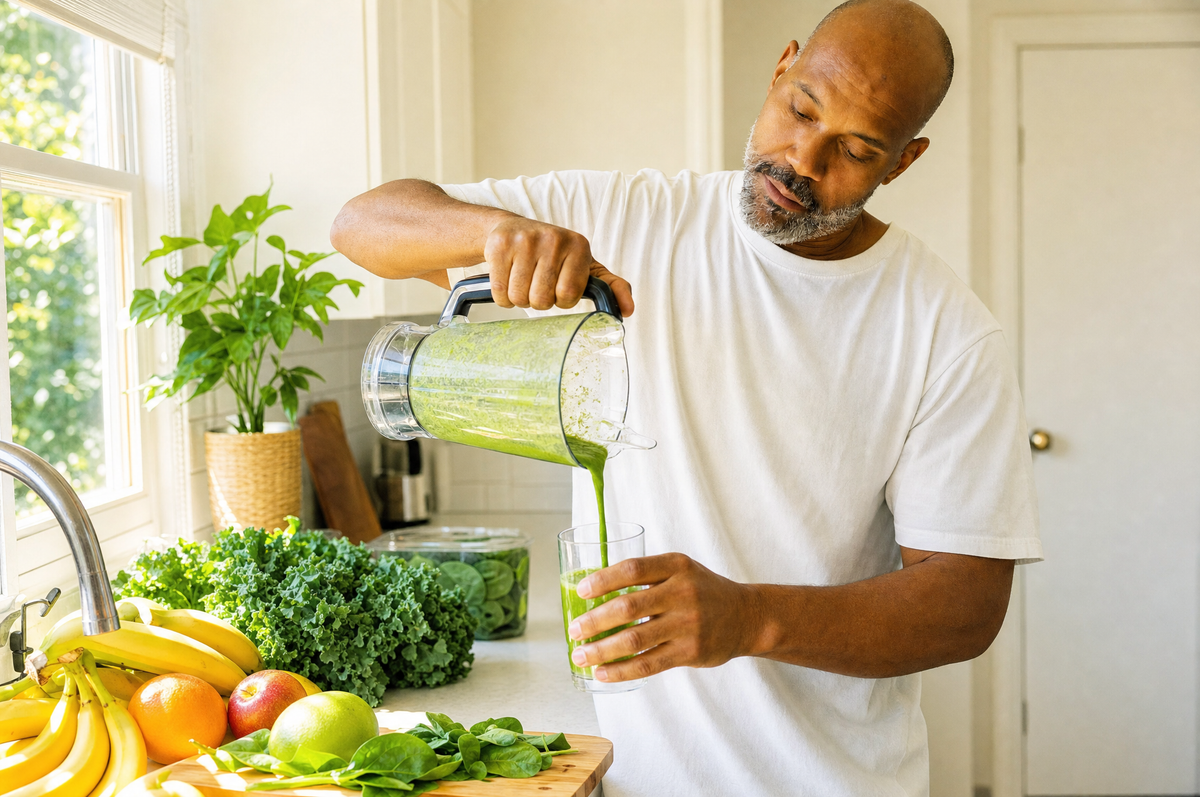
A simple first step: one big green smoothie a day. Blend a handful of greens, a cup of berries or mango, a squeeze of key lime, water and a spoonful of sea moss gel.
The herbs we use, and why
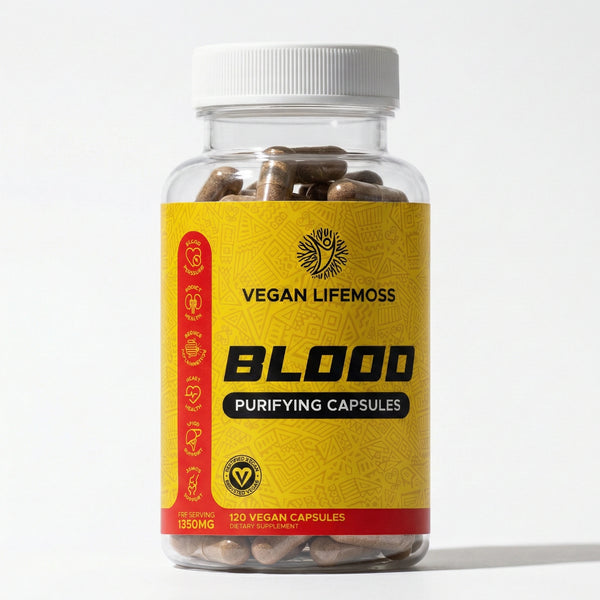
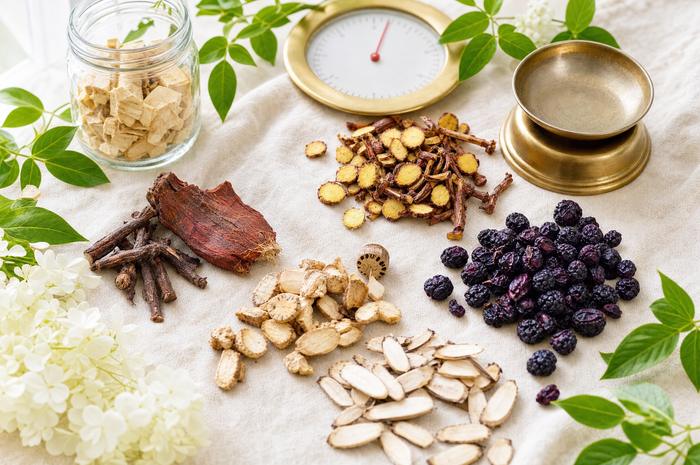
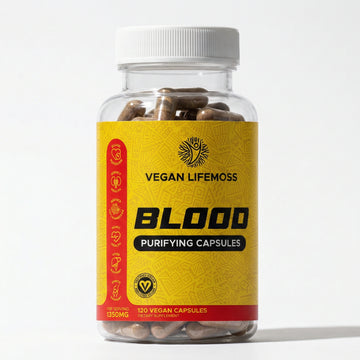
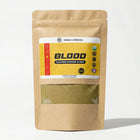
Our Blood Purifying Capsules follow a combination herbalist Aqiyl Aniys calls The Foundation: burdock root, yellow dock, sarsaparilla, elderberry and hydrangea root. Each one brings something to the table:
- Elderberry is rich in anthocyanins, the deep purple pigments that help the body handle oxidative stress.*
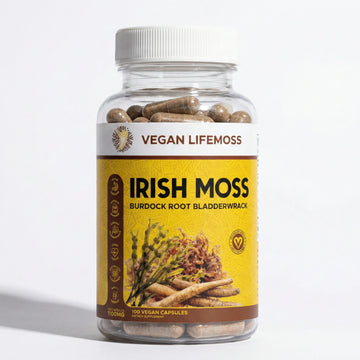
- Burdock root contains chlorogenic acid, caffeic acid and quercetin, which researchers study for antioxidant activity. It's traditionally used to support liver health.* In one small six-week study, people who drank burdock root tea showed changes in some inflammation and oxidative-stress markers.
- Sarsaparilla contains astilbin and is traditionally used to support a healthy inflammatory response.*
- Yellow dock is a bitter root traditionally used to support digestion and liver health.*
- Hydrangea root is traditionally used to support kidney health and healthy fluid balance.*
Most of that research was done in labs, not with a capsule in hand, so it can't tell us exactly what one serving will do. Herbalists use these plants together because they've been paired for generations, and because whole herbs carry many compounds that work as a team.
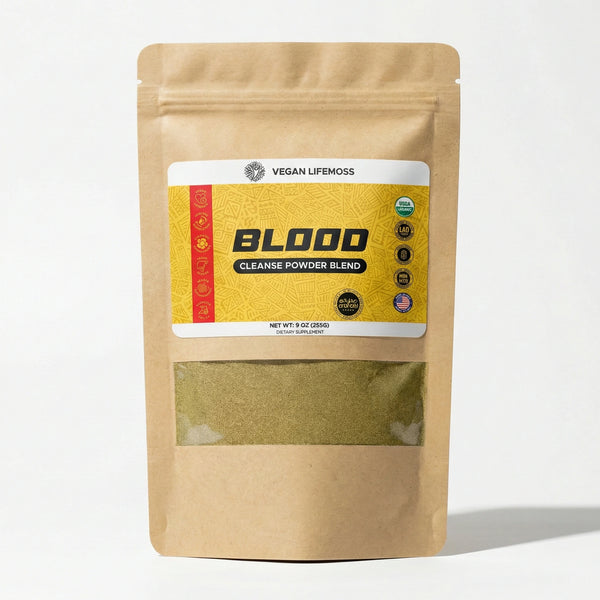
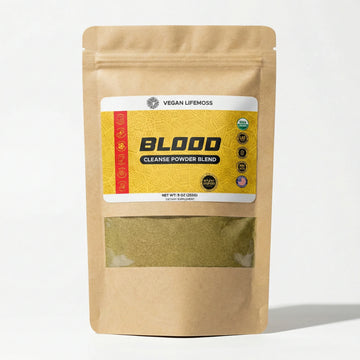
Prefer to mix your herbs into a smoothie? The same five herbs are in our Blood Cleanse Powder Blend. Learn more about each herb in The Roots Behind Our Blood Cleanse.
Give it time
None of this is a one-week fix. Food, water and herbs work through consistency. Most people need a few weeks of steady habits before they notice how they feel day to day. As we like to say: one bottle starts the routine, and the second bottle tells the truth.
- Week 1 to 2: build the habit. Same time every day, more water, one plant-heavy meal.
- Week 3 to 4: check in with yourself. How's your energy? How do your shoes fit at night?
- Month 2: keep going and keep working with your doctor on your checkups.
Subscribe & Save takes 15% off every order, so you never run out halfway through a routine.
Talk with your healthcare provider before starting herbs, especially if you take blood pressure, heart, diabetes, blood-thinning or diuretic medicine, are pregnant or breastfeeding, or have a kidney condition. Never stop or change a medication without your doctor.